
VPN Jurisdiction and Data Retention Laws: Why Location Matters

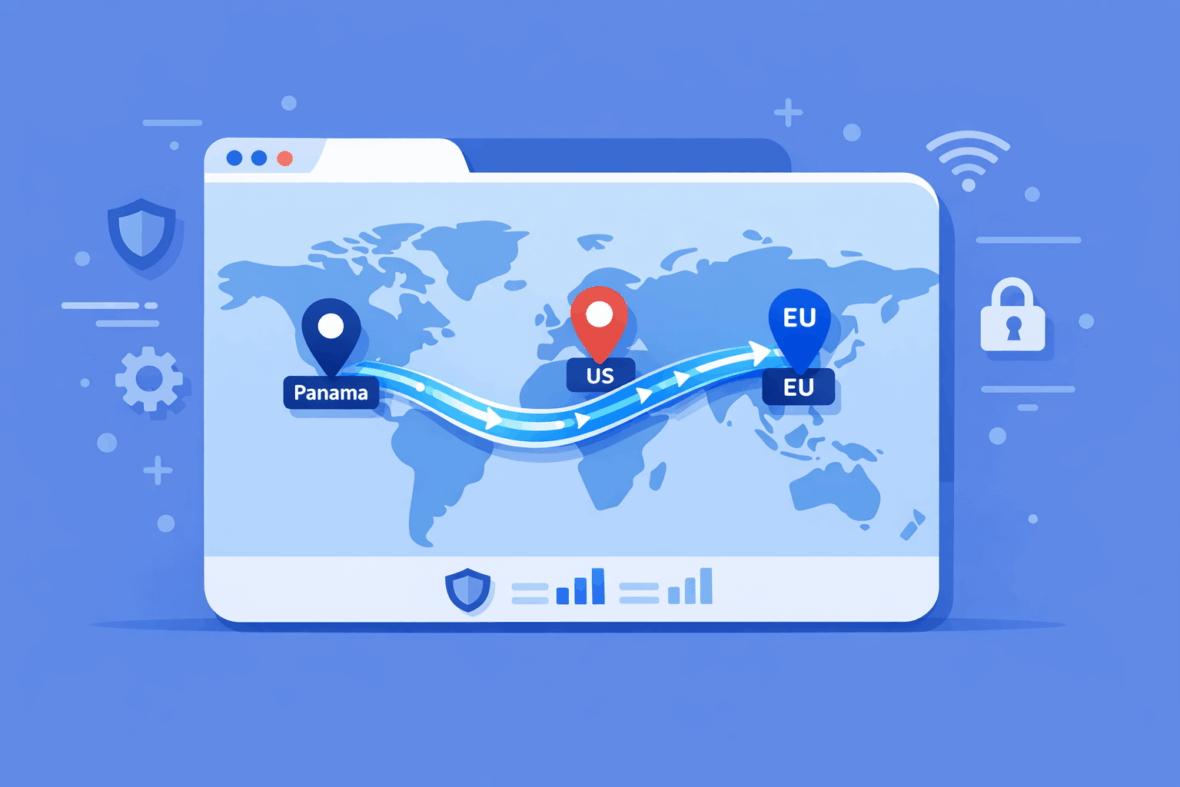
VPN jurisdiction and data retention laws are often mentioned when discussing privacy, but the connection between a VPN’s location and how user data is handled is frequently oversimplified. Being “based” in a particular country does not automatically define what data a VPN can access or must retain.
This guide explains what jurisdiction means in practice, how data retention laws generally work, and why location is only one part of a much broader privacy picture. The goal is to provide context rather than legal advice, and to help readers understand why definitive guarantees are rare.
What “Jurisdiction” Means for a VPN Provider
In simple terms, a VPN provider’s jurisdiction refers to the legal system under which the company operates. This is usually determined by where the company is incorporated, where its management is based, or where it maintains its primary legal presence. Jurisdiction defines which courts and authorities can issue binding legal requests to the company.
Marketing materials often highlight server locations or global coverage, but server maps do not necessarily reflect a provider’s legal obligations. A VPN can operate servers in dozens of countries while remaining legally subject to the laws of a single jurisdiction.
| Legal jurisdiction | where the company is registered and governed by law. |
|---|---|
| Server locations | physical or virtual infrastructure used to route traffic, which may be spread across many countries. |
Understanding this distinction helps explain why jurisdiction is discussed separately from network size or geographic coverage.
How Data Retention Laws Generally Work
Data retention laws are regulations that require certain organizations to store specific types of data for a defined period of time. These laws are typically designed to apply to telecommunications providers, internet service providers, or other entities considered part of a country’s communications infrastructure.
Whether a VPN service falls under these rules depends on how local law defines its role. In some jurisdictions, VPNs are not explicitly mentioned, while in others they may be grouped with broader communication services. As a result, applicability can vary significantly from one country to another.
| What data retention laws usually target | metadata such as connection times or subscriber information. |
|---|---|
| Why VPN applicability varies | differences in legal definitions and regulatory scope. |
Because these laws evolve and differ across regions, it is not always clear from public information how — or if — a specific VPN is affected.
Jurisdiction vs. Infrastructure: Where Data May Actually Be Handled
A VPN’s legal jurisdiction does not always match where its technical infrastructure operates. Many providers rely on third-party data centers, cloud platforms, or network partners to host servers and manage traffic in different regions.
This creates a separation between legal control and technical operation. Data may be processed or transmitted through multiple countries, even if the company itself is governed by a single jurisdiction.
- User connects to a VPN server Traffic is routed to a server that may be located in a different country from the provider’s legal base.
- Infrastructure handles traffic Data passes through hardware or cloud systems operated by third-party providers under local regulations.
- Legal and technical layers intersect Any stored or accessible data is subject to the laws governing both the company and the infrastructure involved.
This complexity is one reason why location-based assumptions about privacy can be misleading without additional context.
Lawful Access Requests and Provider Obligations
Governments can request access to data through established legal processes, such as court orders or subpoenas. A VPN provider’s obligation to respond depends on its jurisdiction, the type of request, and what data is actually available.
A provider cannot disclose information it does not have, but it may be required to respond if records exist or if cooperation is mandated by law. The scope and frequency of such requests can vary widely between countries.
| Type of request | Formal legal demand issued by a court or authorized authority |
|---|---|
| Who it applies to | Companies operating under the requesting jurisdiction’s legal framework |
| What can be requested | Data that is available or legally required to be retained |
| Response obligations | Depend on local law, company structure, and the nature of the request |
Because legal systems differ, similar requests may have very different outcomes depending on where a VPN provider is based.
Why Location Alone Does Not Determine Privacy Outcomes
VPN discussions often frame certain countries as inherently “privacy-friendly” and others as restrictive. While legal environment does matter, location alone does not determine how a VPN handles user data in practice.
Internal policies, technical design, and transparency practices can all influence privacy outcomes, sometimes more directly than jurisdiction. Two providers in the same country may operate very differently depending on how they structure their systems and disclose their practices.
| Logging practices | what data is collected, retained, or explicitly excluded. |
|---|---|
| Technical design | how servers, DNS handling, and authentication are implemented. |
| Transparency | clarity of privacy policies, updates, and public disclosures. |
Jurisdiction provides context, but it is not a shortcut to understanding a provider’s overall privacy posture.
Legal Uncertainty, Enforcement, and Changing Regulations
Laws affecting VPN services are not static. Regulations may be introduced, revised, or reinterpreted over time, and enforcement practices can differ even within the same legal system.
This legal uncertainty is one reason why definitive statements about VPN legality or data handling are difficult to make. Public information may lag behind real-world enforcement, and providers may update policies in response to changes that are not widely reported.
❗ Important context
VPN-related laws and enforcement practices can change without much notice, and public guidance may not always reflect the latest legal interpretations.
As a result, long-term privacy expectations should be based on patterns of transparency and practice rather than assumptions about static legal environments.
Key Takeaway: How Jurisdiction Fits Into the Bigger Picture
Jurisdiction shapes the legal framework in which a VPN operates, but it does not act as a guarantee of privacy on its own. It influences which laws apply and how authorities can make requests, but it does not fully describe what data a provider collects or how it designs its systems.
The most useful approach is to view jurisdiction as one factor among many, alongside logging practices, technical safeguards, and transparency. Evaluating these elements together offers a more realistic understanding of how user data may be handled.
💡 Good to know
When comparing VPNs, consider how clearly providers explain their data handling and legal obligations, rather than focusing only on where they are based.
FAQs: VPN Jurisdiction and Data Retention
-
Does a VPN’s location determine how private it is?
Location influences which laws apply to a provider, but privacy outcomes also depend on logging practices, technical design, and transparency. Jurisdiction alone is not decisive.
-
Are VPNs subject to data retention laws?
It depends on local legal definitions. In some countries, VPNs are not explicitly covered by data retention laws, while in others they may fall under broader communication regulations.
-
Do server locations affect legal obligations?
Server locations can affect which local regulations apply to infrastructure, but the provider’s primary legal obligations usually depend on its jurisdiction of incorporation.
-
Can a VPN be forced to log data?
Depending on jurisdiction and legal orders, a provider may be required to comply with certain requests. What this means in practice depends on what data is available and how laws are enforced.
-
Why do VPN laws differ so much by country?
Countries regulate communications and data differently based on legal traditions, security priorities, and policy goals. This leads to varying rules and levels of enforcement for VPN services.