Independent VPN Reviews and Guides

Clear, factual reviews of VPN services based on privacy practices, performance, and transparency.
Our analysis focuses on what providers state, how services behave in practice, and where limitations may exist.

VPN Basics & Helpful Guides

Our easy-to-follow guides explain what a VPN is, how it works, and why people use one to protect their privacy online. We also break down the key features to look for when comparing VPN services, so you can make confident, informed choices. View all guides - Category guides

Top-Rated VPN Providers

These VPN services currently rank highest based on structured analysis of privacy practices, speed consistency, server infrastructure, compatibility, and pricing clarity.

Generous Free Plan

Windscribe VPN

8.4/10
Generous free plan plus 24/7 live chatbot support
Low-Latency Gaming

StrongVPN

8.2/10
Low-latency gaming and P2P with 12-device support and 30-day refund
WireGuard Support

VyprVPN

7.2/10
WireGuard support and built-in kill switch for straightforward protection
Fast Speeds

VPN.ac

6.8/10
Fast speeds and China-optimized obfuscation
Fast Streaming

VuzeVPN

6.6/10
50% off — Fast Windows streaming and 30-day refund

Explore Our VPN Content

Our VPN articles are organized into focused categories covering reviews, comparisons, performance, privacy, and legal topics. Each section offers detailed analysis to help you evaluate services and understand how VPNs work in real-world scenarios.


Still confused? Check our FAQs

We know choosing a VPN can feel overwhelming. That’s why our FAQ breaks everything down into clear, simple answers — from how VPNs work to privacy, security, and everyday use. Get the clarity you need in just a few minutes.


  • Does using a VPN slow down your internet connection?

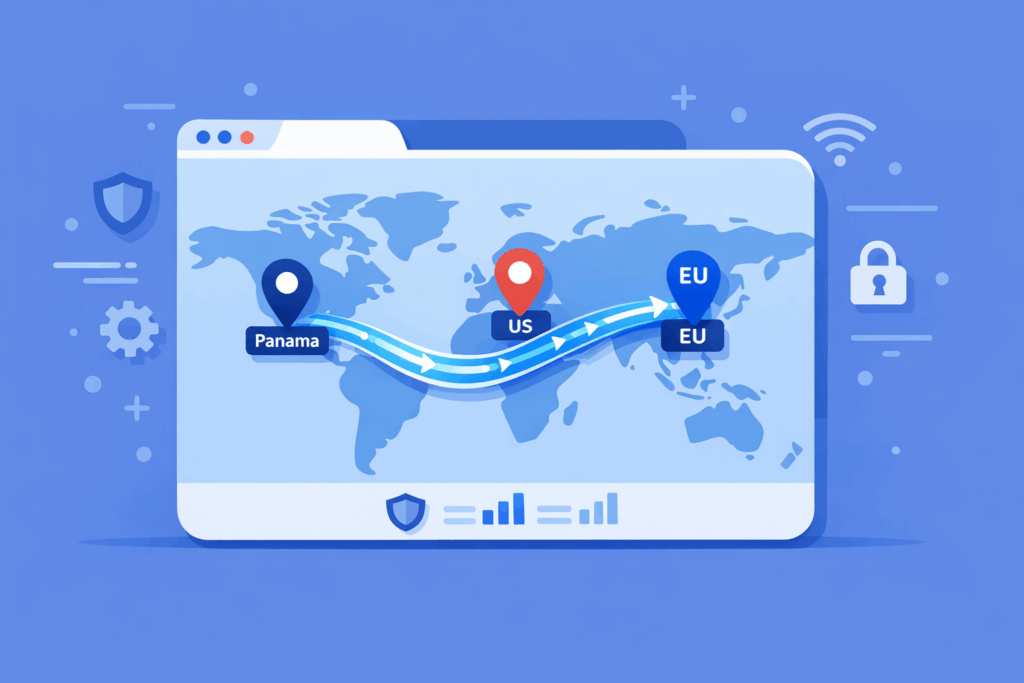
    A VPN can affect internet speed, but the impact varies. Factors such as the distance to the VPN server, baseline internet speed, server load, and the protocol used all play a role. Some users report minimal slowdowns when connecting to nearby servers, while others may experience more noticeable changes depending on location and network conditions.

  • Are VPNs legal in most countries?

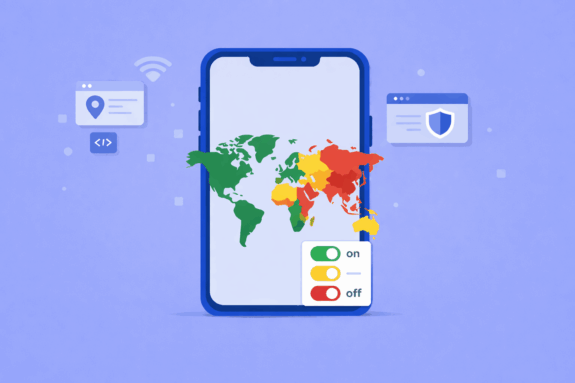
    In most parts of the world, VPNs are legal and commonly used to improve privacy and secure internet connections. However, certain countries regulate or restrict VPN usage, and laws may change over time. Even where VPNs are permitted, online activities conducted through a VPN are still subject to local regulations.

  • Are VPN services safe and trustworthy?

    The safety of a VPN depends largely on the provider. Some services publish detailed privacy policies, undergo independent audits, or operate under jurisdictions considered privacy-friendly. Others provide limited transparency. Logging practices are often self-declared, and real-world data handling may not always be independently verifiable.

  • Do VPNs work on mobile devices like Android and iOS?

    Many VPN providers offer dedicated apps for Android and iOS devices. These applications are reported to include core security and privacy features similar to desktop versions, though performance, stability, and battery usage can vary depending on the device, operating system, and network environment.

  • Can VPNs be used for torrenting or P2P file sharing?

    Some VPN providers state that they support peer-to-peer traffic on specific servers, while others restrict or do not clearly document their policies. Support for torrenting may depend on server location, local laws, and provider rules, and performance can vary based on network conditions.

  • Do VPNs work with streaming services like Netflix?

    Using a VPN to access streaming services can be inconsistent. Some VPNs are reported to work with certain platforms, while others may be blocked or stop working without notice. Availability often depends on server choice, geographic location, and how streaming services enforce regional access controls.

  • Are free VPNs safe to use?

    Free VPN services exist, but they often come with limitations such as data caps, fewer server locations, or slower speeds. Some rely on advertising or alternative business models. Privacy practices among free VPNs are not always clearly disclosed, so users may want to review policies carefully before relying on a free service.

  • Do VPNs offer browser extensions?

    Many VPN providers offer browser extensions for popular browsers like Chrome, Firefox, and Edge. In most cases, these extensions only protect browser traffic rather than the entire device. The level of protection and functionality can vary significantly between providers.

How we review VPN services

Our reviews follow a consistent framework focused on privacy practices, performance, usability, and long-term value.

Privacy & Transparency

We focus on how VPN providers describe data handling, logging practices, and security features. Clear documentation and stated policies are prioritized over broad marketing claims.

Performance & Reliability

Speed, stability, and connection consistency are evaluated across common real-world scenarios. Results can vary depending on location, network conditions, and server load.

Usability & Compatibility

We assess how easy VPN apps are to use across devices, and whether features are consistent between platforms. Differences between desktop, mobile, and router setups are noted where relevant.

Pricing & Long-Term Value

Pricing is considered in relation to features, limitations, and renewal terms. We look at what is included in each plan rather than focusing solely on headline prices.