Practical Guides
This section provides educational resources explaining VPN concepts, terminology, and technical foundations in a neutral and accessible way.
Topics may include encryption methods, tunneling protocols, IP addressing, DNS behavior, and how VPN applications interact with networks.
These guides aim to clarify how VPN technology works — and where its limitations begin without promoting specific providers or outcomes.
Content in this section is informational and not legal, technical, or security advice.
Installing VPN is the first step. Using it correctly is what actually protects you. Many people install VPN, assume they're protected, and then unknowingly misconfigure settings, enable risky options, or use VPN in ways that defeat its purpose. A properly configured VPN with good usage habits provides real privacy. A…
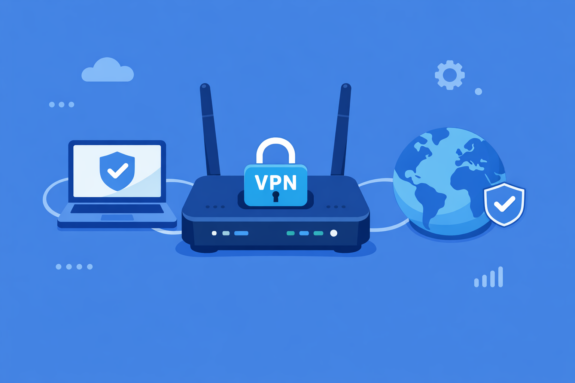
Setting up VPN on your router is one of the most powerful privacy configurations you can make. Instead of installing VPN on individual devices (phone, laptop, tablet), you configure VPN once at the router level, and every device on your network automatically uses VPN—without needing individual app installations or configuration.…
Setting up your first VPN is straightforward and takes just a few minutes. Most VPN services handle the technical complexity for you—downloading an app, entering your credentials, and clicking "connect" is usually all it takes. However, understanding what you're doing and verifying that your VPN is working correctly helps you…